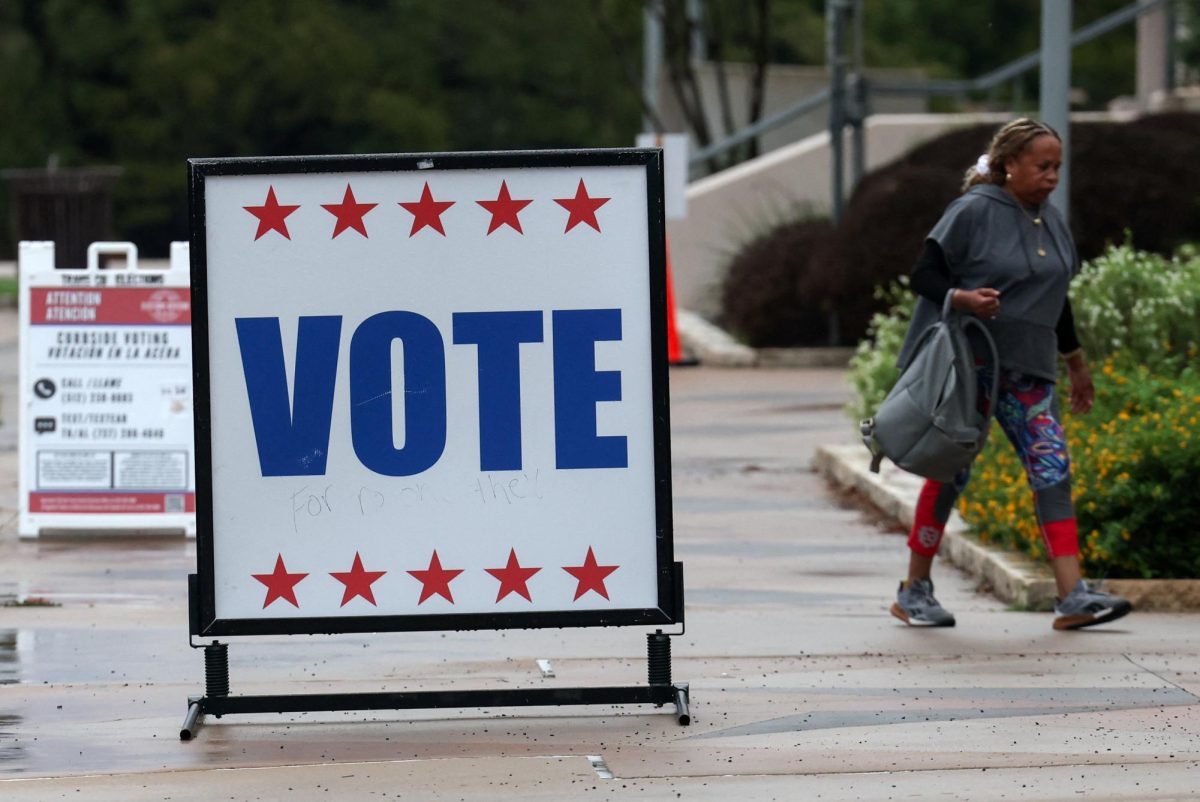
With the 2026 midterm elections approaching, conversations about voting are becoming more common among students, including those who are not yet old enough to vote. While presidential elections often receive more attention, midterms can have a major impact on government decisions and policies throughout a president’s term.
Upper School History Department Chair Amy Bresie ’96 said midterm elections can be just as consequential as presidential elections because they help set the tone for the following two years.
“The midterm can be very important, in that it really does set the tone for the next two years of the presidential term, whether or not the president’s on the ballot,” Bresie said.
For students eligible to vote, midterm elections offer an opportunity to influence decisions that affect their communities. Senior Eli Yaffe, a first-time voter, said participating in the democratic process is something he values.
“It’s kind of cool to participate in our democracy in our country, and I think that’s a vital kind of thing as a U.S. citizen,” Yaffe said.
Yaffe took the time to research candidates and form his own opinions before voting. He said that while he wanted to make his own decisions, he still valued his parents’ experience and advice.
“I did kind of consult them with some questions that I had, which I think is a valuable resource,” Yaffe said.
Social media has also become a common source of political information for students. However, it can be difficult to distinguish reliable information from misinformation, especially when encountering unfamiliar topics. Sophomore Evan Huang said students may be more likely to believe information they see online when they are unfamiliar with the subject.
“If someone tells you something on a screen, then you’re more likely to believe it, especially if it’s something you just learned about,” Huang said.
Getting involved in elections can extend beyond casting a ballot. Yaffe said students can also participate in campaigns and encourage others to vote.
“You can also take part in campaigning. Like I’ve done stuff in my neighborhood to try and knock on doors and get more people to vote,” Yaffe said.
While voting and campaigning are important ways to participate, Bresie emphasized that staying involved in democracy should not be limited to presidential election years.
“Democracy is not about one election every four years, it’s about every election every year,” Bresie said.