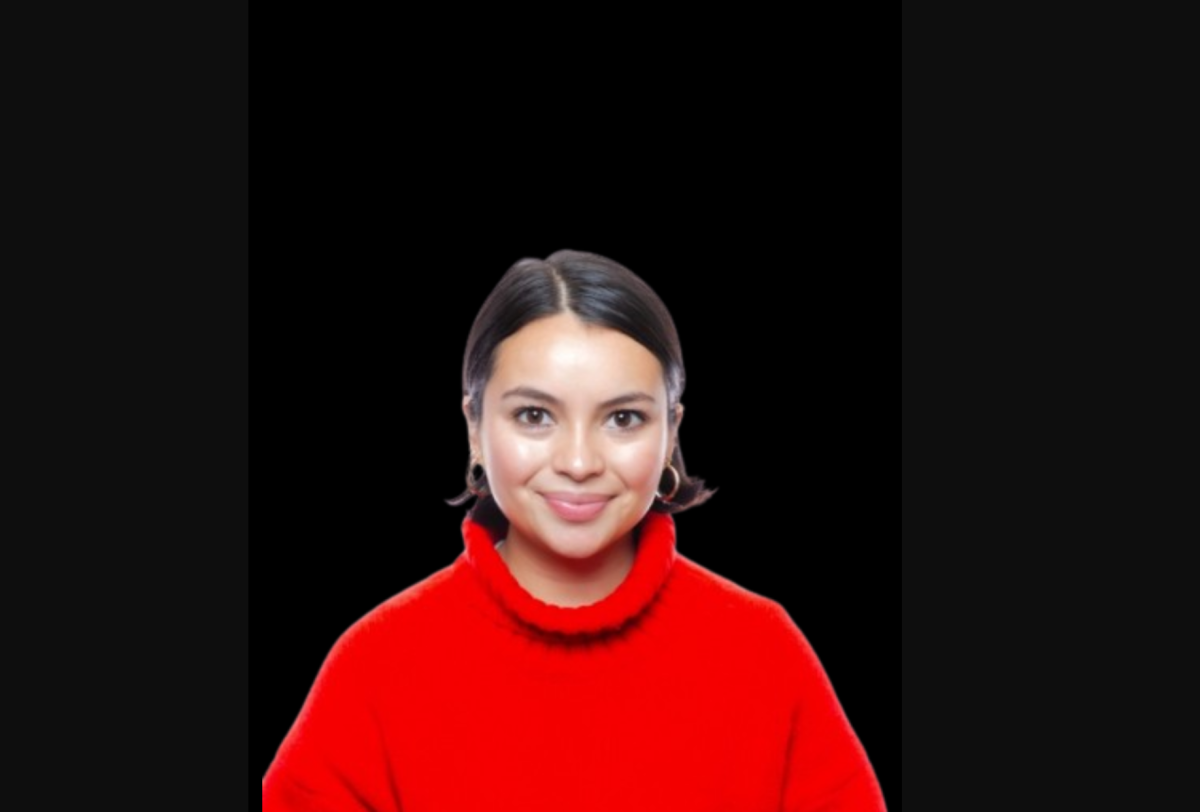
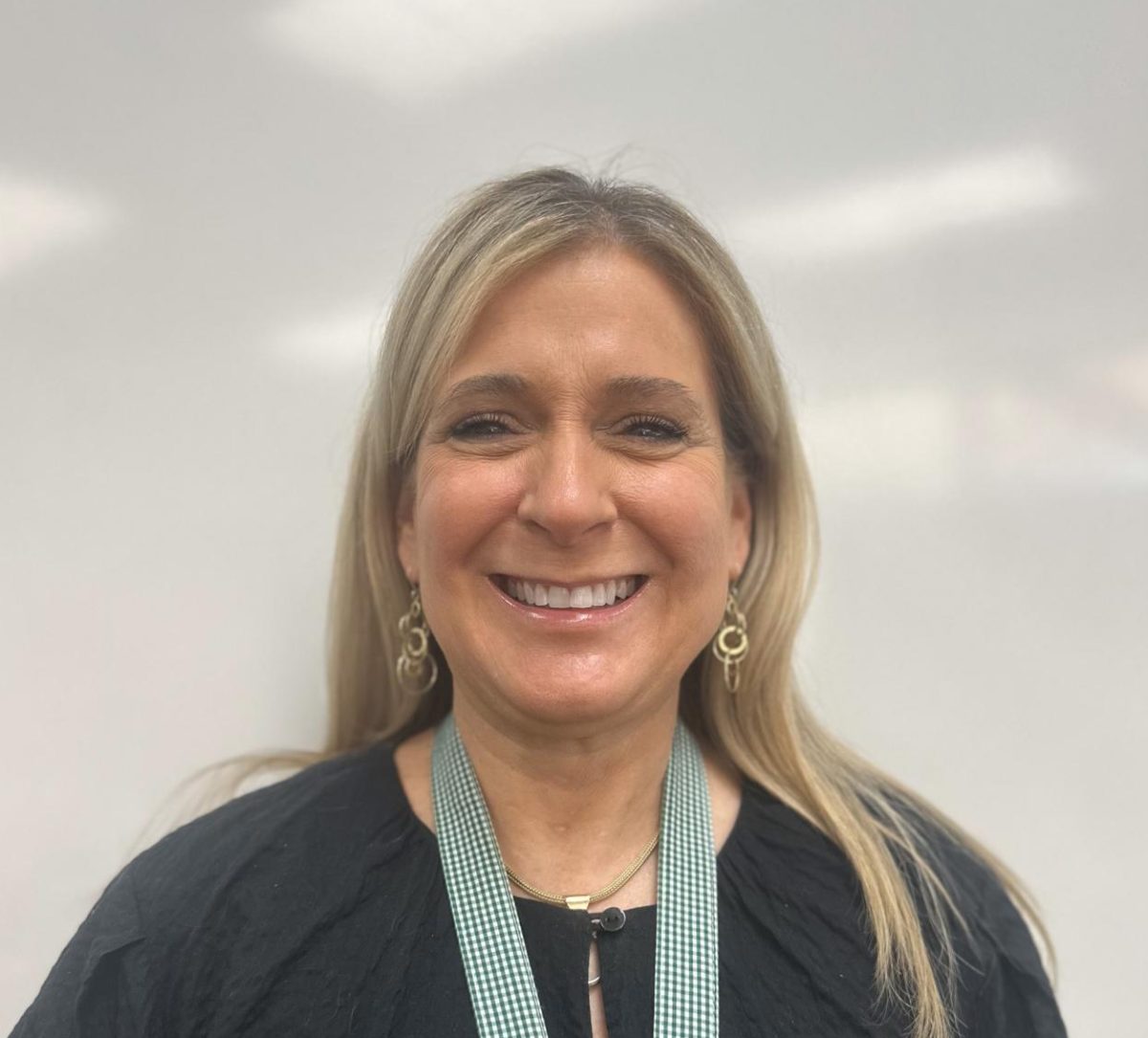
After teaching Advanced Placement Biology classes at her previous school in Nashville, Tennessee for 11 years, Upper School science teacher Rachel Lytle moved to Dallas in the summer of 2025.
In search of AP Biology openings, Lytle found a teaching position at the Jesuit College Preparatory School of Dallas. When scoring AP exams during an AP Biology summer schooling program a few years ago, she met Greenhill’s former AP Biology teacher, Barry Ide.
“When I found out that he was leaving, I was really interested in Greenhill because I heard really good things about it,” Lytle said.
Since coming to Greenhill, Lytle has had positive experiences so far as a new faculty member and AP Biology teacher.
“Everyone’s been super friendly and supportive,” Lytle said. “I really love the kind of balance between students advocating for themselves, but also policies that are in place and all the content of the assemblies.”
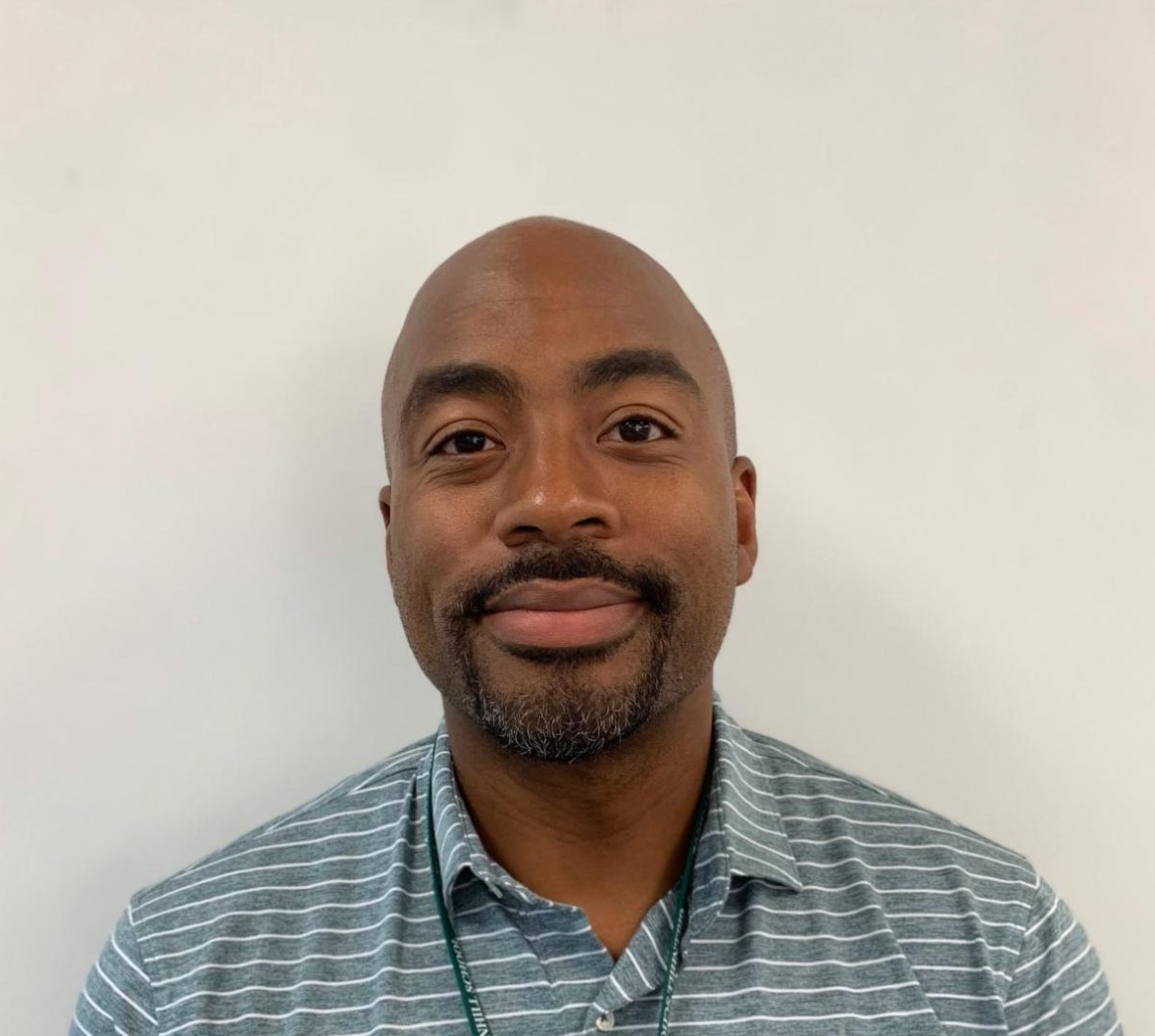
Upper School Biology teacher Winfred Parnell ’99, says that he has enjoyed working with Lytle as they collaborate on new ideas, exchange feedback and keep their classes aligned while maintaining their own unique teaching styles.
“She’s just been very open, honest and kind [when] sharing [resources] and offering good input,” Parnell said. “She’s transitioned into this environment so smoothly [and] it seems like she hasn’t really had to adjust. She kind of [fit] right in. She’s [a] strong [and] very talented teacher.”
In addition, Lytle says how her interest in molecular biology motivated her to become a science teacher.
“I just think it’s fascinating,” Lytle said. “All these little molecules, like molecules are not alive, but somehow all of them being together makes a living thing.”
While attending Middle Tennessee State University as a biology major, Lytle’s favorite class was histology, which is the study of tissues within different types of cells, which also involves gene modification.
To introduce these ideas into her classes, she has integrated real-world examples into her labs. During these scientific investigations, Lytle uses guided discovery to help her students better understand the topic, providing clues and encouraging them to ask thoughtful questions to determine the solution.
“My favorite lab that we do every year is a transformation lab,” Lytle said. “[It’s] where you take a gene from jellyfish that makes them glow and put it into E. coli bacteria. If you’ve done it correctly, then the bacteria should glow.”
Senior Charlotte Faems says that while Lytle’s classes are primarily based on student led hands-on learning, Lytle values students asking for individual support.
“I can tell that she really wants us to learn, which I think is a good quality for a teacher to have,” Faems said. “I think she’s very good about giving us resources to help us go above and beyond in [our] understanding.”
Lytle’s favorite part of being a teacher is having the opportunity to work with and learn from her students.
“I always say the best part of my day is while we’re in class, doing something active and seeing that light bulb come on,” Lytle said. “Especially if we’re doing a lab or some sort of manipulative and they kind of figure out; that’s a big idea.”